Window cleaning spray is an essential tool for achieving streak-free and sparkling windows, transforming your space into a brighter environment. This versatile cleaning solution is formulated with various ingredients designed to break down dirt, grime, and streaks, making window maintenance a breeze. Whether you opt for commercial products or homemade alternatives, understanding their composition, application techniques, and safety precautions is crucial for effective use.
In recent years, the demand for eco-friendly cleaning solutions has also surged, prompting a shift towards natural ingredients that are safer for both users and the environment. By exploring the different types of window cleaning sprays available and their unique benefits, you can choose the best option to keep your windows pristine.
Overview of Window Cleaning Spray
Window cleaning spray is a specialized product designed for cleaning glass surfaces, making them clear and streak-free. Its primary purpose is to remove dirt, grime, and smudges from windows, enhancing visibility and aesthetics. Typically, window cleaning sprays contain ingredients such as water, surfactants, solvents, and fragrances. The surfactants help lift dirt, while solvents assist in breaking down grease and grime.
Using window cleaning spray offers several benefits over traditional cleaning methods. It is often more convenient, dries quickly, and requires minimal effort to achieve a streak-free shine. Unlike using vinegar or soapy water, window cleaning sprays are formulated to work effectively without leaving residues, ensuring a clearer finish.
Types of Window Cleaning Sprays
The market offers various types of window cleaning sprays, each catering to different needs and preferences. Understanding the differences can help consumers make informed choices. The main categories include:
- Commercial Window Cleaning Sprays: Readily available in stores, these products often contain chemical ingredients designed for optimal performance.
- Homemade Window Cleaning Sprays: Made from household ingredients, these sprays provide a cost-effective and customizable cleaning option.
- Eco-Friendly Window Cleaning Sprays: These products are formulated with biodegradable ingredients, reducing their environmental impact.
Each type has its pros and cons. Commercial sprays are effective but may contain harsh chemicals, while homemade options, although safer, can vary in effectiveness. Eco-friendly sprays present a middle ground, combining effective cleaning with environmental considerations.
Ingredients in Window Cleaning Spray
Window cleaning sprays typically contain several common chemical ingredients, each serving a specific role:
- Water: The base of most window cleaning solutions, providing moisture for cleaning.
- Surfactants: These ingredients reduce surface tension, allowing the spray to spread evenly and lift dirt more effectively.
- Solvents: Often included to dissolve grease and enhance cleaning power.
- Fragrances: Added to provide a pleasant scent during and after cleaning.
Natural alternatives to these ingredients include vinegar, baking soda, and essential oils, which can be effective in homemade recipes. Reading product labels is crucial to avoid harmful substances such as ammonia or phosphates, which could pose health risks.
Application Techniques
Proper application of window cleaning spray ensures optimal results. Follow these step-by-step instructions for effective use:
- Start by removing any dust or loose debris from the window surface.
- Shake the window cleaning spray bottle thoroughly to mix the contents.
- Spray a generous amount of cleaner onto the window, covering the entire surface.
- Use a microfiber cloth or squeegee to wipe the window in a circular motion.
- For larger windows, work in sections to prevent the cleaner from drying before you wipe it off.
To maximize effectiveness, use tools such as microfiber cloths or squeegees, which are designed to leave surfaces streak-free. Avoid using paper towels, as they can leave lint behind. It’s essential to remember the dos and don’ts, such as not applying the spray in direct sunlight, which can cause it to dry too quickly, leading to streaks.
Safety Considerations
When using window cleaning spray, safety precautions are essential to ensure a safe cleaning experience. Always work in a well-ventilated area to avoid inhaling fumes. Additionally, wearing gloves can protect your skin from irritation, especially if handling commercial products with harsh chemicals.
Certain ingredients in window cleaning sprays may pose health hazards, such as ammonia, which can cause respiratory issues. In case of accidental exposure, it’s important to know first aid measures. Rinse the affected area with water and seek medical attention if irritation persists.
DIY Window Cleaning Spray Recipes
Creating homemade window cleaning sprays can be a fun and economical alternative to commercial options. Here are a couple of simple recipes:
- Vinegar-Based Spray: Mix one part vinegar with one part water in a spray bottle for an effective, streak-free cleaner.
- Baking Soda Spray: Combine two tablespoons of baking soda with a quart of warm water for a natural cleaning solution.
Making your own window cleaning spray offers several benefits, including control over the ingredients and cost savings. The tools required typically include a spray bottle and a measuring cup, which are common household items.
Maintenance Tips for Windows
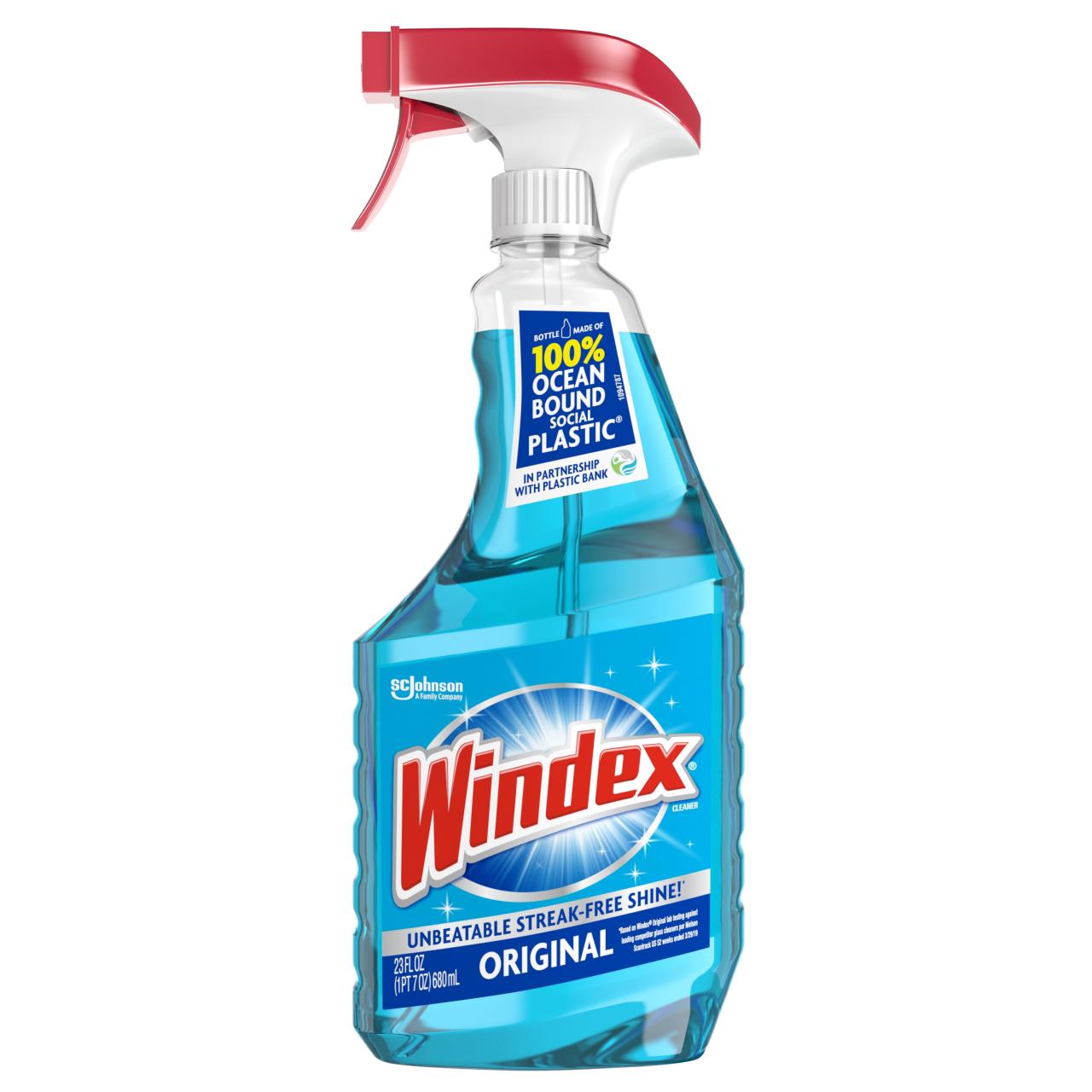
To maintain clean windows after using window cleaning spray, it’s essential to establish a regular cleaning schedule. Depending on your environment, windows should be cleaned at least every few months.
Common practices include:
- Avoiding harsh cleaning methods that could scratch the glass.
- Using a squeegee for optimal results, especially on larger windows.
- Monitoring for streaks and addressing them immediately to prevent buildup.
Avoid common mistakes such as cleaning windows on hot days, which can cause streaking, and neglecting the frames and sills, which can accumulate dirt over time.
Environmental Impact of Window Cleaning Sprays
The use of chemical-based window cleaning sprays raises environmental concerns. Many of these products contain ingredients that can harm aquatic ecosystems upon runoff. When comparing the carbon footprint of commercial versus homemade window cleaning sprays, homemade options typically have a lower impact due to reduced packaging and transportation emissions.
To minimize environmental impact, consumers should consider using eco-friendly products or DIY solutions. Additionally, reducing the frequency of window cleaning and using non-toxic ingredients can contribute to a healthier environment.