Knee replacement hardware takes center stage as a pivotal innovation in orthopedic surgery, enabling countless individuals to regain mobility and improve their quality of life. Over the years, advancements in knee replacement technology have transformed the landscape of joint replacement procedures, ensuring that patients receive the best possible care. Comprising key components like implants, trays, and fixation systems, knee replacement hardware is designed to provide stability and support, allowing for a smoother recovery and enhanced functionality.
This cutting-edge hardware can be categorized into total and partial knee replacements, each serving unique needs. With various materials and techniques available, including cemented and cementless options, patients can find the perfect match for their individual circumstances. Discover how imaging technology aids surgeons in executing precise procedures, and explore the comprehensive rehabilitation process that follows to ensure optimal healing.
Introduction to Knee Replacement Hardware
Knee replacement hardware plays a critical role in orthopedic surgery, providing patients with relief from debilitating knee pain and restoring mobility. The hardware is specifically designed to replace damaged or worn components of the knee joint, allowing for improved functionality and quality of life. Over the years, advancements in technology and materials have led to significant improvements in knee replacement hardware, enhancing its effectiveness and longevity.
The evolution of knee replacement hardware has seen remarkable progress, starting from early metal implants to modern biomaterials that mimic natural joint function. Key components of knee replacement hardware typically include the femoral component, tibial component, and polyethylene insert, each designed to work in harmony to replicate the natural movements of the knee.
Types of Knee Replacement Hardware
Understanding the different types of knee replacement hardware is essential for patients considering surgery. Total knee replacement hardware involves replacing all components of the knee joint, while partial knee replacement hardware focuses on replacing only the damaged compartment of the knee.
Materials used in knee replacement hardware vary and include:
- Titanium alloys
- Cobalt-chromium alloys
- Polyethylene
- Ceramics
When it comes to fixation methods, options include cemented and cementless designs. Cemented knee replacement hardware is fixed in place using bone cement, while cementless hardware relies on biological fixation, allowing the bone to grow into the implant over time.
Surgical Procedure Involving Knee Replacement Hardware
The surgical procedure for knee replacement involves several critical steps to ensure successful implantation of the hardware. Initially, the surgeon prepares the knee by making an incision, followed by the careful removal of damaged bone and cartilage. The appropriate hardware is then selected and implanted based on the patient’s specific needs.
Imaging technology, such as X-rays and MRI scans, plays a vital role in pre-operative planning and helps surgeons visualize the knee anatomy, leading to more precise placements of the hardware.
| Surgical Technique | Description | Advantages |
|---|---|---|
| Conventional Technique | Traditional approach with larger incisions. | Familiar to most surgeons. |
| Minimally Invasive Technique | Smaller incisions and less soft tissue disruption. | Faster recovery time. |
| Robotic-Assisted Surgery | Utilizes robotic systems for precision. | Improved accuracy and outcomes. |
Recovery and Rehabilitation
Recovery after knee replacement surgery typically follows a structured timeline, which can vary from patient to patient. Initial recovery generally takes about 6 to 12 weeks, with most patients resuming normal activities within three to six months.
A comprehensive rehabilitation program is vital for optimal recovery. Recommended rehabilitation exercises include:
- Quadriceps sets
- Heel slides
- Leg raises
- Walking
Physical therapy plays an essential role in the recovery process, helping to improve strength, flexibility, and overall function of the knee joint.
Risks and Complications Associated with Knee Replacement Hardware
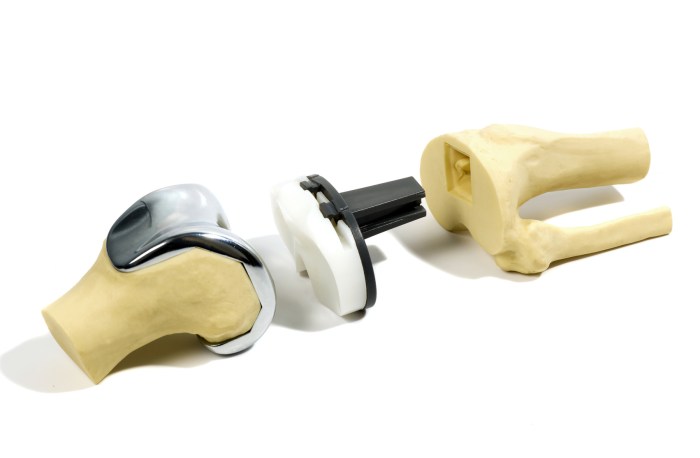
Knee replacement hardware, while generally safe, does carry potential risks. Common risks include infection, blood clots, and hardware failure.
Statistics indicate that complication rates for knee replacements can vary depending on the type of procedure performed:
- Infection rates are approximately 1-2%.
- Blood clots occur in about 1-5% of patients.
Signs of hardware failure may include persistent pain, swelling, or instability in the knee. Patients are encouraged to monitor their symptoms and consult their healthcare provider if they suspect any issues.
Innovations in Knee Replacement Hardware
Recent advancements in knee replacement technology have introduced innovative materials and techniques. Notable developments include the use of highly cross-linked polyethylene, which enhances wear resistance, and 3D printing technology that allows for customized implants tailored to individual anatomies.
Robotic-assisted knee replacement surgeries have gained popularity, providing surgeons with enhanced precision and the ability to improve surgical outcomes.
Future trends in knee replacement hardware design focus on creating lighter, stronger materials, and integrating smart technology for better patient monitoring and outcomes.
Patient Perspectives and Experiences
Patient experiences following knee replacement surgery often reflect satisfaction and improved quality of life. Testimonials reveal that many patients have successfully returned to their daily activities and report significant pain relief.
Common concerns regarding knee replacement hardware include durability and the longevity of implants.
An infographic illustrating patient satisfaction rates highlights that over 90% of patients express satisfaction with their knee replacement outcomes, underscoring the effectiveness of contemporary knee replacement hardware.
Cost and Insurance Considerations
Various factors influence the cost of knee replacement hardware, including the type of implant and surgical technique used. On average, the total cost of knee replacement surgery can range from $30,000 to $50,000, depending on the complexity and geographical location.
Insurance coverage for knee replacement procedures typically varies among plans. Patients should familiarize themselves with their options to minimize out-of-pocket expenses.
Comparing out-of-pocket expenses reveals that cemented options may have different costs compared to cementless alternatives, reflecting the type of technology and materials used in each case.