Materials for cleaning are essential in maintaining a sparkling, hygienic home. Whether you’re a cleaning novice or a seasoned expert, the right tools and products can make all the difference in your cleaning routine. From eco-friendly options that protect the planet to powerful chemical cleaners that tackle tough stains, there’s a plethora of choices available. Understanding the benefits of each type helps you make informed decisions, ensuring that your home not only looks great but is also safe and healthy for your family.
This comprehensive guide dives into the various types of cleaning materials, comparing natural versus chemical options, and presenting eco-friendly alternatives. It also covers the essential factors for selecting the right cleaning materials based on the surfaces you have, guarantees effective stain removal, and provides helpful DIY recipes for making your own cleaning solutions.
Types of Cleaning Materials
Cleaning materials play a crucial role in maintaining a hygienic and pleasant living environment. Understanding the different types of cleaning materials available can help you choose the best options for your cleaning needs.
Variety of Cleaning Materials
Household cleaning can be performed using a wide array of materials. Here are some commonly used cleaning materials:
- All-purpose cleaners: Versatile solutions that can tackle a variety of surfaces, effective against grime and dirt.
- Glass cleaners: Specifically formulated to clean windows and mirrors, leaving a streak-free shine.
- Disinfectants: Essential for killing germs and bacteria on surfaces, particularly in kitchens and bathrooms.
- Floor cleaners: Designed for different types of flooring, ensuring thorough cleaning without damage.
- Natural cleaners: Comprised of ingredients like vinegar and baking soda, they offer a non-toxic cleaning option.
Natural vs. Chemical Cleaning Materials
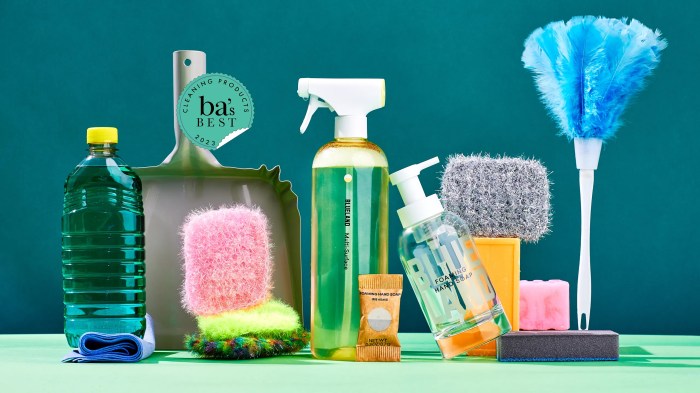
There is a significant difference between natural and chemical cleaning materials, primarily in their ingredients and effects on health and the environment.
- Natural cleaning materials: Typically made from plant-based ingredients, they are biodegradable and less harmful to health. Examples include vinegar, baking soda, and essential oils.
- Chemical cleaning materials: Often contain synthetic compounds that may be more effective on tough stains but can pose health risks, including respiratory issues and skin irritation.
Eco-friendly Alternatives
Choosing eco-friendly alternatives is essential for reducing environmental impact. Here are some common eco-friendly cleaning products:
- Coconut-based cleaners: Derived from coconuts, these cleaners are safe for the environment and effective in removing grease.
- Biodegradable soaps: These soaps break down naturally and are safe for waterways, making them a great choice for sustainable cleaning.
- Lemon juice: A natural disinfectant with antibacterial properties and a pleasant scent.
Choosing the Right Cleaning Material
Selecting the right cleaning material is essential for effective cleaning. Various factors need to be considered depending on the surfaces, stains, and messes encountered.
Factors to Consider
When selecting cleaning materials for different surfaces, consider the following:
- Surface material: Different surfaces, such as wood, tile, or fabric, require specific cleaning materials to avoid damage.
- Type of stain: Certain stains necessitate specific cleaning solutions for effective removal, like grease or ink.
- Health considerations: Non-toxic options are preferable for households with children or pets to ensure safety.
Effectiveness for Specific Stains
Different cleaning materials are effective against particular stains or messes:
- Grease stains: A degreaser or dish soap works best.
- Ink stains: Rubbing alcohol or a specialized ink remover can effectively lift these marks.
- Hard water deposits: Vinegar or citric acid is ideal for dissolving mineral buildup.
Guide for Cleaning Tasks
Matching cleaning materials with tasks can streamline the cleaning process. Here’s a simple guide:
| Task | Recommended Cleaning Material |
|---|---|
| Dusting | Microfiber cloths |
| Bathroom sanitizing | Disinfectant spray |
| Glass cleaning | Glass cleaner or vinegar solution |
Usage for Cleaning Materials
Proper usage techniques enhance the effectiveness of cleaning materials while ensuring safety during cleaning tasks.
Proper Usage Techniques
To maximize the effectiveness of cleaning materials, follow these techniques:
- Read labels: Always read the manufacturer’s instructions for correct application and dilution ratios.
- Test surfaces: Conduct a patch test on an inconspicuous area to ensure the cleaning material does not damage the surface.
- Use appropriate tools: Select the right cleaning tools, such as sponges, brushes, or cloths, to achieve optimal results.
Step-by-Step Procedure for Safe Handling
Adhering to safety when handling cleaning materials is critical. Here’s a step-by-step procedure:
- Wear protective gear, including gloves and masks, if necessary.
- Store cleaning materials in their original containers to avoid confusion.
- Keep cleaning materials out of reach of children and pets.
- Follow proper disposal guidelines for empty containers and unused materials.
Best Practices for Mixing Cleaning Materials
Mixing cleaning materials can be dangerous. Here are best practices to ensure safety:
Never mix bleach with ammonia or other cleaners, as it can produce toxic gases.
- Always dilute concentrated cleaning materials according to label instructions.
- Use separate containers for mixing and label them clearly.
- Work in well-ventilated areas to minimize inhalation of fumes.
Benefits of Using Specific Cleaning Materials
Choosing the right cleaning materials offers numerous benefits, including health advantages and cost-effectiveness over time.
Advantages of Natural Cleaning Materials
Natural cleaning materials come with several advantages:
- Non-toxic: Safe for children and pets, reducing health risks associated with harsh chemicals.
- Environmentally friendly: Typically biodegradable, posing less risk to the planet.
- Cost-effective: Often made from common household ingredients, reducing the need for expensive products.
Health Benefits of Non-toxic Cleaning Materials
Using non-toxic cleaning materials promotes a healthier indoor environment:
- Reduces the risk of allergic reactions and respiratory issues.
- Minimizes exposure to harmful chemicals linked to long-term health effects.
- Creates a safer space for children and pets to play and explore.
Cost-effectiveness Over Time
Certain cleaning materials can provide savings in the long run:
| Cleaning Material | Initial Cost | Longevity |
|---|---|---|
| Vinegar | Low | High (multiple uses) |
| Commercial disinfectant | Medium | Medium (specific uses) |
| DIY cleaning solution | Very low | High (cost-effective ingredients) |
Safety Precautions with Cleaning Materials
Taking safety precautions when using cleaning materials is vital to prevent accidents and health hazards.
Comprehensive Safety Precautions
Here’s a list of essential safety precautions:
- Always wear gloves, goggles, or masks as necessary.
- Store cleaning materials in a cool, dry place away from direct sunlight.
- Avoid mixing different cleaning products unless specified safe by the manufacturer.
- Ensure good ventilation during cleaning tasks to disperse fumes.
Common Hazards Associated with Cleaning Materials
Different types of cleaning materials come with their own hazards:
- Corrosive agents: Can cause burns or skin irritation.
- Flammable materials: Can ignite if exposed to heat sources.
- Allergens: Some chemical cleaners can trigger allergic reactions in sensitive individuals.
Emergency Response Plan for Accidents
Having an emergency response plan is crucial:
In case of accidental contact, flush the area with water and seek medical assistance if necessary.
- Keep emergency contact numbers readily accessible, including poison control.
- Have safety equipment, such as eye wash stations or first aid kits, available in cleaning areas.
- Train household members on the proper response to chemical spills or accidents.
Innovations in Cleaning Materials
The cleaning industry is continuously evolving, with innovations leading to more effective and sustainable cleaning solutions.
Recent Advancements in Cleaning Technology
Recent technological advancements in cleaning materials include:
- Nanotechnology: Used to create more effective cleaning agents that can penetrate surfaces better.
- Enzyme-based cleaners: Break down stains on a molecular level, providing superior cleanliness.
- Smart cleaning systems: Incorporate IoT technology for automated and efficient cleaning.
Sustainable Materials in the Cleaning Industry
Sustainability is becoming a focal point in cleaning materials. Examples include:
- Biodegradable surfactants: Break down naturally without harming the environment.
- Recycled packaging: Helps reduce waste and environmental impact in the cleaning products industry.
- Plant-based ingredients: Replace synthetic additives for safer, eco-friendly cleaning options.
Future Trends in Cleaning Materials
Future trends in cleaning materials may include:
| Trend | Description |
|---|---|
| Biotechnology | Increased use of biological agents for effective cleaning. |
| Smart cleaning solutions | Integration of AI for customized cleaning regimens. |
| Eco-conscious consumerism | Growing demand for sustainable and ethical cleaning products. |
Cleaning Materials for Specific Environments
Different environments require specialized cleaning materials to ensure effective hygiene and safety.
Recommended Cleaning Materials for Commercial Spaces
For commercial cleaning, the following materials are essential:
- Heavy-duty disinfectants: Effective for high-traffic areas to reduce germ spread.
- Floor scrubbers: Necessary for maintaining clean flooring in large spaces.
- Glass cleaning solutions: Keep windows and surfaces streak-free in professional settings.
Cleaning Materials Suitable for Medical Facilities
In medical facilities, the importance of cleanliness cannot be overstated. Recommended materials include:
- Hospital-grade disinfectants: Proven effective against a wide range of pathogens.
- Microfiber cloths: Help prevent cross-contamination while providing effective cleaning.
- Personal protective equipment (PPE): Essential for the safety of cleaning personnel.
Specialized Cleaning Materials for Industrial Settings
Industrial cleaning often involves tougher materials:
- Degreasers: Essential for machinery and equipment maintenance.
- Acid-based cleaners: Effective against rust and mineral build-up in industrial environments.
- High-pressure cleaners: Used for large-scale cleaning tasks in industrial settings.
DIY Cleaning Material Recipes: Materials For Cleaning
Making your own cleaning materials can be both cost-effective and eco-friendly. Here are some simple recipes.
Effective Homemade Cleaning Solutions
Creating effective cleaning solutions at home is straightforward. Here are a few recipes:
- All-purpose cleaner: Mix one cup of vinegar, one cup of water, and a few drops of essential oil.
- Glass cleaner: Combine two cups of water, half a cup of vinegar, and a teaspoon of dish soap.
- Furniture polish: Mix one part olive oil with one part vinegar for a natural shine.
Benefits of Making Your Own Cleaning Materials, Materials for cleaning
There are several benefits to creating DIY cleaning products:
- Cost savings: Homemade solutions often cost less than store-bought options.
- Customization: Tailor ingredients to your preferences, such as scent or strength.
- Control over ingredients: Avoid harsh chemicals and allergens found in commercial products.
Tips for Customizing Cleaning Material Recipes
Customizing your cleaning material recipes can enhance their effectiveness:
- Add essential oils for pleasant fragrances and additional antibacterial properties.
- Experiment with different ratios based on the type of dirt or stain being tackled.
- Keep a log of different combinations for future reference and improvement.