Door hardware security is crucial for ensuring the safety and integrity of your home. With rising concerns over break-ins and unauthorized access, understanding the role of door hardware in overall security systems has never been more important. Inadequate door hardware can leave homes vulnerable, highlighting the need for robust locks and security features to protect against potential threats.
The types of door hardware available today, ranging from traditional deadbolts to sophisticated smart locks, offer various levels of protection. Each type of door material and additional components like hinges and strike plates can significantly impact security effectiveness. This comprehensive overview will explore essential features, installation best practices, and maintenance tips to secure your entry points effectively.
Importance of Door Hardware Security
Door hardware plays a crucial role in the overall security of residential and commercial properties. This hardware, including locks, hinges, and strike plates, serves as the first line of defense against unauthorized entry. The integrity of these components directly impacts the effectiveness of a security system.
Inadequate door hardware can lead to significant vulnerabilities, making properties susceptible to break-ins. Poorly designed locks, weak materials, and outdated technology increase the risk of theft, property damage, and personal safety threats. Key statistics reveal that approximately 34% of burglars enter through the front door, emphasizing the importance of strong door hardware. Moreover, homes without secure locks are up to 300% more likely to experience a break-in.
Types of Door Hardware
Understanding the various types of door hardware is essential for effective security. Different locks and materials provide varying levels of protection.
- Deadbolts: These are among the most secure options, featuring a solid metal bolt that extends into the door frame, making it difficult to force open.
- Smart Locks: These electronically controlled locks offer keyless entry and integration with smart home systems, providing convenience and enhanced security features such as remote monitoring.
- Knob Locks: Generally less secure than deadbolts, knob locks are often used in conjunction with deadbolts for added protection.
Different door materials also affect security. Solid wood doors offer more resistance to forced entry compared to hollow-core doors. Additionally, steel doors provide superior strength, while fiberglass doors can offer a balance of durability and aesthetic appeal.
Additional hardware components, such as hinges and strike plates, are vital for securing doors. Heavy-duty hinges prevent unauthorized door removal, while reinforced strike plates resist forced entry, significantly enhancing security.
Security Features to Consider
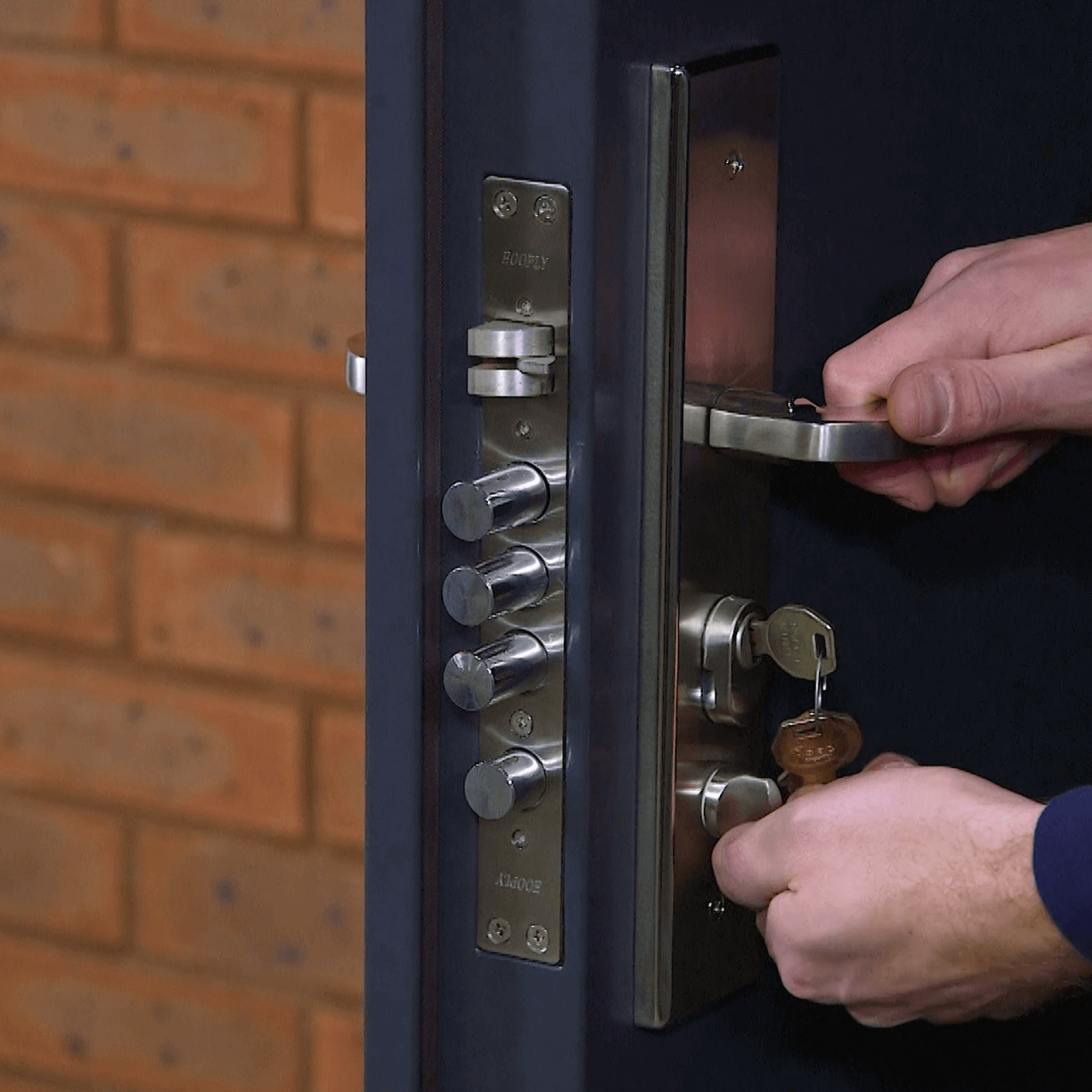
When selecting high-security door hardware, several essential features should be prioritized to ensure maximum protection.
- Pick Resistance: High-security locks should be designed to withstand lock picking, which is a common technique used by burglars.
- Bump Resistance: Bump-proof locks prevent a specific form of break-in known as lock bumping, where specially cut keys enable unauthorized access.
- Drill Resistance: Locks with hardened steel inserts are less susceptible to drilling, making them more secure against this method of forced entry.
A comparison table of top-rated door locks can help homeowners make informed choices based on these features.
| Lock Type | Pick Resistance | Bump Resistance | Drill Resistance |
|---|---|---|---|
| Smart Lock A | High | Medium | High |
| Deadbolt B | High | High | Medium |
| Traditional Lock C | Medium | Low | Medium |
Installation Best Practices
Proper installation of door locks is critical for ensuring their effectiveness. Follow these steps for different types of locks:
- For deadbolts: Measure the height and mark the door. Drill the hole for the cylinder, then install the deadbolt according to the manufacturer’s instructions.
- For smart locks: Remove the existing lock, then connect the smart lock to the door using the provided mounting kit. Ensure that the lock is aligned correctly for secure operation.
- For knob locks: Remove the old knob, drill the required holes if necessary, and install the new knob by securing it with screws.
Reinforcing door frames and hardware is also essential for enhanced security. Adding a metal reinforcement plate can significantly increase resistance to forced entry.
Professional installation is often recommended over DIY methods, especially for high-security locks, as incorrect installation can compromise security.
Maintenance of Door Hardware
Routine maintenance is necessary to keep door hardware secure and functioning properly. Essential tasks include lubricating locks and checking for any signs of wear or damage.
Common issues with door locks may include sticking mechanisms, misalignment, and rust buildup. Addressing these problems promptly can prevent larger security vulnerabilities.
Homeowners should regularly inspect their door hardware using the following checklist:
- Check for signs of wear or damage to locks and hinges.
- Ensure all locks function smoothly without sticking.
- Test the alignment of door frames and hardware.
- Lubricate locks to prevent rust and ensure smooth operation.
Innovations in Door Hardware Security
Recent technological advancements in door locking systems have transformed the landscape of door security. Smart locks and biometric systems offer cutting-edge features that enhance protection.
Connectivity and smart home integration have allowed homeowners to monitor and control access to their doors remotely. Features like real-time alerts and remote locking capabilities provide added peace of mind.
Examples of modern security features include automatic locking mechanisms, personalized access codes, and remote access capabilities. These innovations can significantly enhance safety and convenience.
Assessing Security Needs
Conducting a security assessment of a home’s door hardware is essential for identifying vulnerabilities. This process involves evaluating the effectiveness of current locks and hardware, as well as recognizing potential weak points.
Homeowners should prioritize upgrades based on the assessment results, focusing on the most vulnerable entry points. Factors influencing the selection of door hardware include the property’s location, local crime rates, and the homeowner’s specific security concerns.
Legal and Regulatory Considerations
Understanding relevant laws and regulations regarding door security standards is essential for compliance. Many jurisdictions establish specific requirements for residential and commercial properties to ensure adequate security measures are in place.
Compliance requirements may include the installation of specific types of locks, regular inspections, and maintenance protocols. Additionally, property owners should be aware of liability concerns related to inadequate door hardware security, as insufficient measures can lead to legal repercussions in case of a security breach.