Hardware manufacturing is at the forefront of technological innovation, driving significant advancements across various industries. As a cornerstone of the global economy, it encompasses a diverse range of products, from consumer electronics to industrial machinery. Over the past few decades, the sector has evolved dramatically, influenced by technological advancements, shifts in consumer demand, and a growing emphasis on sustainability.
From the precision engineering that ensures product reliability to the innovative materials that enhance durability and performance, hardware manufacturing is a complex yet fascinating field. The processes involved, including assembly line techniques and quality control measures, play a crucial role in delivering high-quality hardware solutions that meet both market needs and environmental standards.
Overview of Hardware Manufacturing
Hardware manufacturing is a critical segment of the global economy, encompassing the production of physical devices and tools that are essential for various sectors, including technology, construction, and automotive industries. The significance of this industry lies in its ability to provide the necessary components that drive innovation, enhance productivity, and improve the quality of life.
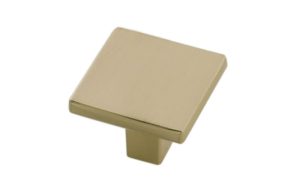
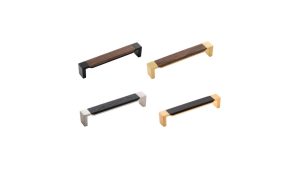
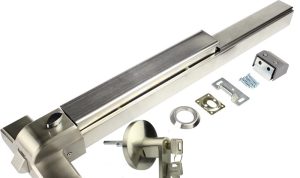
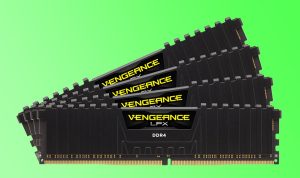
The range of hardware products manufactured spans from simple tools and mechanical devices to complex electronic systems. This includes everything from screws and nails to advanced computer processors and automotive parts. Over the last few decades, the hardware manufacturing sector has evolved significantly, influenced by advancements in technology, changes in consumer demand, and globalization. This evolution has led to more efficient production methods, increased automation, and a shift towards sustainable practices.
Manufacturing Processes
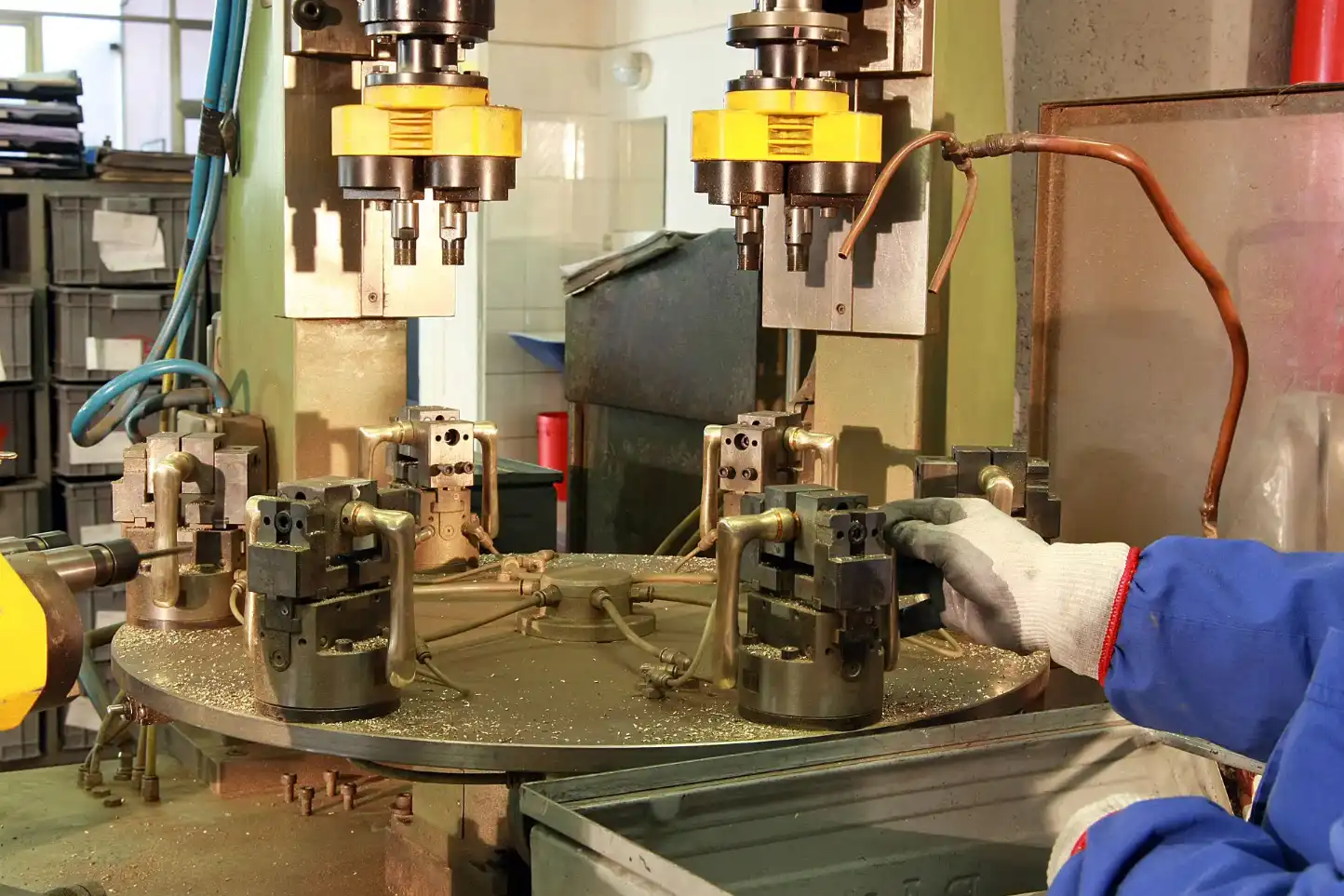
The manufacturing of hardware involves a variety of processes that ensure the efficient production of high-quality products. These processes can include machining, casting, molding, and assembly. Each method has its unique advantages and is selected based on the specific requirements of the product being manufactured.
Precision engineering plays a vital role in hardware manufacturing, as it ensures that components meet exact specifications and tolerances. This precision is crucial for the functionality and longevity of hardware products. The assembly line process, often associated with mass production, involves several key steps:
- Component preparation: Gathering all necessary parts and materials.
- Assembly: Putting together the parts in a systematic manner.
- Quality control: Inspecting each stage of assembly to ensure standards are met.
- Testing: Conducting functional tests to verify product performance.
- Packing: Finalizing the product for shipment.
Materials Used in Hardware Manufacturing
Selecting the right materials is fundamental in hardware manufacturing, as it directly affects the durability and performance of the final product. Common materials include metals like steel and aluminum, plastics, and composites, each possessing distinct properties that can enhance functionality.
The choice of material can significantly impact product longevity; for instance, stainless steel is often favored for its corrosion resistance, making it ideal for outdoor tools. In contrast, lightweight plastics may be utilized for portable devices but might compromise durability. Recently, manufacturers have begun adopting sustainable materials, such as recycled metals and biodegradable plastics, to mitigate environmental impact while maintaining product quality.
Quality Control in Hardware Manufacturing
Quality control is an essential aspect of hardware manufacturing, ensuring that products meet predefined standards and specifications. Implementing robust quality control measures helps prevent defects and enhances customer satisfaction.
Methods for testing hardware quality can include mechanical testing, visual inspections, and functional testing. Best practices for maintaining high standards involve regular audits, training personnel on quality standards, and using statistical process control techniques to monitor production processes effectively.
Innovations and Technology in Hardware Manufacturing
Recent technological advancements have significantly transformed hardware manufacturing, introducing new methods that improve efficiency and reduce costs. Innovations such as computer-aided design (CAD) and computer-aided manufacturing (CAM) have streamlined the design and production processes.
Automation and robotics have also played a crucial role in enhancing production efficiency. Automated systems can perform repetitive tasks with precision and speed, reducing the risk of human error. Innovative tools like 3D printers are gaining traction, allowing for rapid prototyping and production of complex designs that were previously difficult to achieve with traditional methods.
Environmental Considerations
The environmental impact of hardware manufacturing is a critical concern, particularly regarding waste management and resource consumption. Manufacturers are increasingly recognizing the importance of sustainable practices to reduce their carbon footprint.
Methods for reducing environmental impact include optimizing production processes to minimize waste, implementing recycling programs for materials, and utilizing eco-friendly manufacturing techniques. Companies such as Tesla and Patagonia exemplify businesses that adopt eco-friendly practices in their production, emphasizing sustainability alongside profitability.
Global Supply Chain and Logistics
Effective supply chain management is vital for the smooth operation of hardware production. It involves coordinating the sourcing of materials, managing inventory, and ensuring timely delivery of components to the production line.
Challenges in sourcing materials can arise due to geopolitical issues, fluctuating market prices, and supply chain disruptions. To optimize logistics, manufacturers can adopt strategies such as just-in-time inventory systems, which help reduce holding costs and enhance flexibility in production.
Future Trends in Hardware Manufacturing
Emerging trends are shaping the future of hardware manufacturing, with a notable emphasis on customization and flexibility. The advent of 3D printing technology is poised to revolutionize the industry by allowing for on-demand production tailored to specific consumer needs.
Additionally, increasing consumer demands for smart and connected devices are prompting manufacturers to integrate features like IoT connectivity into their products. The industry’s adaptability to these evolving trends will be crucial in maintaining a competitive edge and meeting future market expectations.