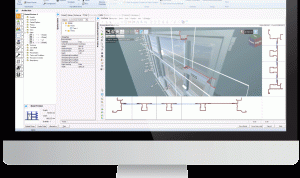
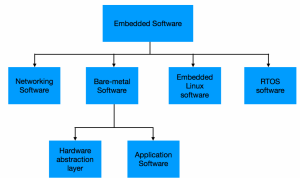
Aerospace software companies are at the forefront of technological advancement in the aerospace industry, providing essential software solutions that enhance operations, safety, and efficiency. These companies develop a variety of software applications, from simulation tools to data analytics, crucial for aircraft design, manufacturing, and maintenance. Noteworthy players in this field include established firms that have made significant contributions with their flagship products, reshaping how aerospace businesses operate.
The landscape of aerospace software is continually evolving, driven by key technologies like artificial intelligence and machine learning, which play a vital role in improving design processes and operational efficiency. As digital transformation reshapes the aerospace sector, these software solutions are becoming increasingly important, enabling companies to adapt and thrive in a competitive market.
Overview of Aerospace Software Companies

Aerospace software companies play a critical role in the aerospace industry by providing essential software solutions that support the design, development, and operation of aircraft and spacecraft. These companies develop applications that facilitate various stages of the aerospace lifecycle, from initial concept and design to testing and operational management.
Aerospace software encompasses a wide range of solutions, including simulation and modeling software, flight management systems, and maintenance and engineering software. Prominent examples of aerospace software companies include Boeing, with its Digital Wind Tunnel, and Dassault Systèmes, known for its CATIA software used in aircraft design.
Types of Software Solutions
The software solutions provided by aerospace companies can be categorized into several key areas that are integral to the aerospace sector:
- Simulation and Modeling: Tools that allow engineers to simulate flight conditions and model aircraft behavior.
- Flight Management Systems: Software systems that aid in the planning and execution of flights, optimizing routes and fuel usage.
- Maintenance and Engineering: Solutions that assist in aircraft maintenance scheduling and performance monitoring.
- Data Analytics: Tools that analyze flight data to improve safety and efficiency.
Key Technologies Used in Aerospace Software
The development of aerospace software relies on a variety of advanced technologies that enhance capabilities and performance. These technologies are pivotal in ensuring that software solutions meet the rigorous demands of the aerospace industry.
One of the most significant technologies is simulation and modeling, which allows for the virtual testing of designs before physical prototypes are created. This technology is crucial for validating concepts and ensuring safety standards are met.
Artificial intelligence (AI) and machine learning (ML) are increasingly being integrated into aerospace software solutions. These technologies enable predictive maintenance, optimize flight paths, and enhance decision-making processes through data-driven insights.
Importance of Simulation and Modeling
Simulation and modeling technologies are vital in the aerospace industry for several reasons:
- Cost Efficiency: Reduces the need for expensive physical testing by validating designs in a virtual environment.
- Risk Mitigation: Identifies potential issues early in the design process, minimizing safety risks.
- Enhanced Creativity: Allows engineers to explore innovative designs without the constraints of physical limitations.
Market Trends in Aerospace Software: Aerospace Software Companies
The aerospace software industry is currently experiencing several trends that are shaping its future. These trends are influenced by technological advancements, changing regulatory environments, and the increasing demand for efficiency.
Digital transformation is a key driver of change within the aerospace sector. Companies are adopting cloud computing and data analytics to improve operational efficiency and reduce costs.
Emerging technologies such as blockchain and the Internet of Things (IoT) are also making their way into aerospace software applications, enabling improved tracking of parts and greater connectivity between systems.
Current Trends Shaping Aerospace Software
Several current trends are influencing the direction of aerospace software development:
- Increased Automation: Software solutions are becoming more automated, enhancing efficiency in manufacturing and operations.
- Collaboration Tools: Enhanced collaboration platforms are streamlining communication between teams and stakeholders.
- Sustainability Focus: There is a growing emphasis on developing software that supports environmentally friendly practices.
Regulatory Challenges and Compliance
Aerospace software companies must navigate a complex landscape of regulations and compliance requirements. Regulatory bodies such as the Federal Aviation Administration (FAA) and the European Union Aviation Safety Agency (EASA) set stringent guidelines that govern the development and deployment of aerospace software.
Compliance with these regulations is essential for ensuring safety and reliability in aerospace operations. Companies must implement processes that meet these requirements while also fostering innovation.
Compliance Requirements for Aerospace Software Development
The compliance requirements for aerospace software development involve several critical aspects:
- Documentation: Thorough documentation of software design, testing, and validation processes is mandatory.
- Verification and Validation: Rigorous testing protocols must be established to ensure software reliability.
- Quality Assurance: Continuous quality assurance processes are necessary to maintain compliance with safety standards.
Case Studies of Successful Aerospace Software Implementations
Several aerospace software implementations have achieved notable success, providing valuable insights into best practices and potential challenges. These case studies illustrate the practical application of software solutions in real-world scenarios.
One example is the implementation of an advanced flight management system by a major airline, which resulted in significant fuel savings and improved operational efficiency.
Challenges Faced During Implementations
During aerospace software implementations, several challenges can arise:
- Integration Issues: Ensuring compatibility with existing systems can be problematic.
- Training Needs: Employees may require extensive training to effectively use new software.
- Data Security: Protecting sensitive data throughout the implementation process is crucial.
Future Directions for Aerospace Software Companies
The future of aerospace software is poised for exciting developments as technology continues to evolve. Companies will need to remain adaptable to stay competitive in a rapidly changing market landscape.
Collaboration between aerospace software companies and industries such as automotive and defense will foster innovation, leading to new software solutions that integrate capabilities across sectors.
Potential Innovations in Aerospace Software
Several potential innovations could shape the future of aerospace software:
- Autonomous Systems: Enhanced AI capabilities may lead to fully autonomous aircraft operations.
- Enhanced Data Analytics: More sophisticated data analytics tools will improve decision-making processes.
- Increased Connectivity: The integration of IoT technologies will enable greater connectivity between aircraft and ground systems.
Best Practices for Development and Implementation
Developing aerospace software projects involves adhering to best practices that ensure efficiency and reliability. These practices are essential for delivering high-quality software in a complex regulatory environment.
Testing and validation methods must be rigorous to ensure that aerospace software meets stringent safety and performance standards. This includes comprehensive unit testing, integration testing, and system validation.
Effective Project Management Strategies, Aerospace software companies
Successful project management strategies in aerospace software development include:
- Agile Methodologies: Utilizing agile frameworks promotes flexibility and responsiveness to changes.
- Stakeholder Engagement: Regular communication with stakeholders ensures alignment on project goals.
- Risk Management: Establishing a proactive approach to identifying and mitigating risks is vital for project success.