Baby care sets the stage for this enthralling narrative, offering readers a glimpse into a world filled with wonder, responsibility, and love. The journey of parenthood begins with understanding the fundamentals of baby care, which encompasses a wide range of knowledge from nutrition to safety. For new parents, grasping these essential aspects is crucial in fostering a nurturing environment for their newborns.
This guide will delve into the intricacies of baby care, covering vital areas such as feeding options, developmental milestones, and safety measures, ensuring that parents are well-equipped to provide the best for their little ones. With an emphasis on both physical and emotional well-being, this resource aims to empower parents every step of the way.
Baby Care Basics
Baby care is an essential aspect of parenting that requires understanding and knowledge, especially for new parents. The journey of caring for a newborn can be overwhelming, but familiarizing oneself with the basics can ease the transition and ensure the well-being of the infant.
Essential Baby Care Knowledge
New parents must grasp several key responsibilities when caring for a newborn. This includes understanding feeding, diapering, and the importance of a safe sleeping environment. A primary responsibility is to provide a nurturing atmosphere that supports the baby’s growth and development.
Safe Sleeping Environment
Creating a safe sleeping environment is critical for infants. This includes ensuring that the crib is free of unnecessary items, using a firm mattress, and placing the baby on their back to sleep. These practices significantly reduce the risk of sudden infant death syndrome (SIDS).
Nutrition and Feeding: Baby Care
Nutrition plays a crucial role in the early stages of a baby’s life. Proper feeding practices not only support growth but also influence long-term health.
Feeding Options for Infants
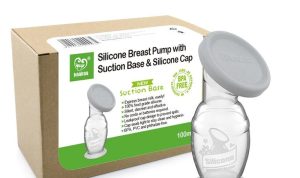
There are two main feeding options for infants: breastfeeding and formula feeding. Breastfeeding provides essential nutrients and antibodies, while formula feeding offers a convenient alternative that is designed to meet a baby’s nutritional needs.
Introducing Solid Foods
Introducing solid foods typically begins around 6 months of age. Parents should start with single-grain cereals and gradually introduce pureed fruits and vegetables. It’s essential to monitor for any allergic reactions and to provide a variety of foods to encourage healthy eating habits.
Importance of Hydration
Hydration is vital for infants, especially in hot weather or during illness. Babies usually receive adequate fluids through breast milk or formula; however, caregivers should ensure they are aware of signs of dehydration, such as decreased wet diapers or lethargy.
Diapering and Hygiene
Proper diapering and hygiene practices are essential for maintaining an infant’s comfort and health.
Necessary Diapering Supplies, Baby care
To effectively change a diaper, parents need several supplies: clean diapers, wipes, diaper cream, and a changing pad. Having these items organized and within reach makes the diapering process smoother.
Step-by-Step Diapering Process
The diapering process involves several steps:
- Lay the baby on the changing pad.
- Remove the dirty diaper and clean the baby’s bottom with wipes.
- Apply diaper cream if necessary.
- Secure a clean diaper under the baby and fasten it snugly.
Maintaining Proper Hygiene
It is crucial to maintain proper hygiene for infants to prevent diaper rash and infections. Regularly changing diapers and ensuring the baby’s skin is clean and dry are key practices in promoting healthy skin.
Baby Developmental Milestones
Tracking developmental milestones helps parents ensure their baby is growing and developing healthily.
Key Developmental Milestones
During the first year, babies achieve numerous milestones, including:
- Smiling and cooing (around 2-3 months)
- Rolling over (around 4-6 months)
- Sitting up without support (around 6-8 months)
- Crawling (around 9 months)
- First words (around 12 months)
Promoting Healthy Development
Engaging in activities that promote healthy development is essential. Simple games like peek-a-boo or sensory play can stimulate growth.
Tracking Growth
Parents can track physical, emotional, and cognitive growth by keeping a journal of milestones and activities, attending regular pediatric appointments, and providing diverse play experiences.
Health and Wellness
Regular health check-ups are vital for monitoring an infant’s health and preventing illness.
Routine Health Check-ups and Immunizations
Parents should adhere to a checklist of routine health check-ups and immunizations, which typically include:
- Well-baby visits at 1, 2, 4, 6, 9, and 12 months
- Vaccinations for hepatitis B, DTaP, Hib, IPV, and MMR
Common Infant Illnesses
Understanding common infant illnesses, such as colds or ear infections, is important for parents. Many can be managed at home with proper care, including rest and hydration.
Relationship with a Pediatrician
Establishing a relationship with a pediatrician ensures that parents have access to professional guidance and support throughout their child’s development.
Comfort and Soothing Techniques
Calming a crying baby can be a challenging yet essential skill for new parents.
Methods to Calm a Crying Baby
Several techniques can help soothe a crying baby:
- Swaddling: Wrapping the baby snugly in a blanket can provide comfort.
- Rocking: Gentle rocking can help calm and soothe a fussy baby.
Creating a Comforting Environment
Creating a calming atmosphere for sleep involves dimming lights, reducing noise, and ensuring a comfortable temperature. These practices help signal to the baby that it is time to sleep.
Benefits of Skin-to-Skin Contact
Skin-to-skin contact has numerous benefits for both the baby and parent, including promoting bonding, regulating the baby’s temperature, and enhancing breastfeeding success.
Safety Measures
Ensuring a safe environment for an infant is paramount for parents.
Essential Safety Equipment
To baby-proof a home, parents should invest in essential safety equipment such as:
- Outlet covers to prevent electrical hazards
- Corner protectors for sharp furniture edges
- Baby gates to restrict access to stairs
Safe Practices for Traveling
Traveling with an infant requires careful planning. Parents should ensure the baby is securely fastened in a car seat when traveling by car and follow airline guidelines for air travel.
Recognizing Emergency Situations
Being able to recognize and respond to emergency situations involving infants is crucial. Parents should be educated on basic first aid and the signs of serious conditions requiring immediate attention.
Parental Support and Resources
Support is vital for new parents as they navigate the challenges of caring for a baby.
Community Resources
Many community resources are available for new parents, including support groups that offer guidance and friendship. These groups can provide emotional support and a sense of belonging.
Self-Care Techniques for Parental Stress

Managing parental stress is essential for maintaining well-being. Techniques may include regular exercise, mindfulness practices, and seeking help when needed.
Must-Read Books and Websites
Educational resources can enhance parents’ knowledge about baby care. Recommended books often include:
- “The Happiest Baby on the Block” by Harvey Karp
- “What to Expect the First Year” by Heidi Murkoff
Helpful websites may include those from reputable health organizations that offer reliable information on infant care and development.