Best noise removal software audio is essential for anyone looking to enhance their audio experience, whether you’re a podcaster, musician, or content creator. This software is designed to eliminate unwanted background noise, ensuring that your audio is crystal clear and professional sounding. In a world where audio quality can make or break a project, investing in the right noise removal software is crucial for achieving flawless sound.
With a plethora of options available, it’s important to understand the key features that set the best noise removal software apart. From user-friendly interfaces to advanced algorithms capable of removing various types of noise, this guide will help you navigate the choices and select the perfect tool for your needs.
Overview of Noise Removal Software: Best Noise Removal Software Audio
Noise removal software plays a crucial role in audio processing by enhancing the quality of recordings. Whether it’s a music track, a podcast, or a recorded lecture, unwanted noise can detract from the listening experience. This software aims to eliminate background sounds, such as hums, hisses, and other intrusive noises, to deliver clear and professional audio.
Key features to look for in noise removal software include real-time noise monitoring, customizable settings for various noise types, and advanced algorithms that adapt to different audio conditions. Users should also consider compatibility with various audio formats and the ability to batch process files, as these features can significantly streamline the workflow.
Noise removal software can tackle a variety of noise types, including broadband noise, impulsive noise, and steady-state noise. Each type presents its own challenges, making it essential for users to select software capable of addressing specific noise issues effectively.
Top Noise Removal Software Options
In today’s market, there are several outstanding noise removal software options that cater to different needs. Here are some of the best available:
- iZotope RX 9: Renowned for its powerful algorithms and intuitive interface, RX 9 offers advanced features like Spectral De-noise and Dialogue Isolate, making it ideal for music producers and podcasters alike.
- Waves NS1: This plugin provides a simple yet effective way to remove noise with its one-knob interface, allowing users to achieve clear audio effortlessly.
- Acon Digital DeNoise: Acon’s DeNoise features adaptive noise reduction and is designed for those seeking high-quality results without complexity.
The comparison table below summarizes the pros and cons of each software option:
| Software | Pros | Cons |
|---|---|---|
| iZotope RX 9 | Advanced features, excellent sound quality | Higher price point |
| Waves NS1 | User-friendly, effective noise reduction | Limited customization options |
| Acon Digital DeNoise | High-quality results, simple interface | Less known than competitors |
Features to Consider When Choosing Software
When selecting noise removal software, several essential features contribute to the overall effectiveness of the tool. Key features include:
- Real-time processing: The capability to monitor audio in real-time while adjusting noise reduction settings is crucial for achieving the desired results.
- Customizable noise profiles: The ability to create and save specific profiles for different types of noise can simplify the process for users dealing with varied audio environments.
- Batch processing: This feature allows users to process multiple audio files simultaneously, saving time and effort.
User interface design significantly impacts the usability of noise removal software. A clear and intuitive interface can facilitate easier navigation and a better overall user experience. Moreover, customer support and tutorials are vital for helping users troubleshoot issues and maximize the software’s potential.
How to Use Noise Removal Software
Getting started with noise removal software can be straightforward when following a structured approach. Here’s a step-by-step guide:
- Install the software and set up your audio workspace.
- Import the audio file that requires noise removal.
- Analyze the audio to identify noise types to target.
- Adjust the noise reduction settings according to the specific noise profile.
- Preview the changes to ensure the desired clarity is achieved.
- Export the processed audio file in your preferred format.
To optimize noise removal, users should experiment with different settings, including adjusting the threshold levels and applying filters. Troubleshooting common issues, such as artifacts in the audio or excessive processing, can often be resolved by fine-tuning the software’s parameters.
Case Studies of Noise Removal Success, Best noise removal software audio
Numerous audio projects have seen significant improvements through the use of noise removal software. For instance, a popular podcast experienced a dramatic transformation in audio clarity after utilizing iZotope RX 9 to eliminate background noise from their recordings, resulting in enhanced listener engagement.
Before implementing noise removal, the podcast’s audio was often marred by distracting hums and echoes. After processing, listeners noted a marked improvement in speech intelligibility and overall sound quality. Testimonials from users often highlight how effective noise removal software can elevate audio to a professional standard.
Cost Analysis of Noise Removal Software
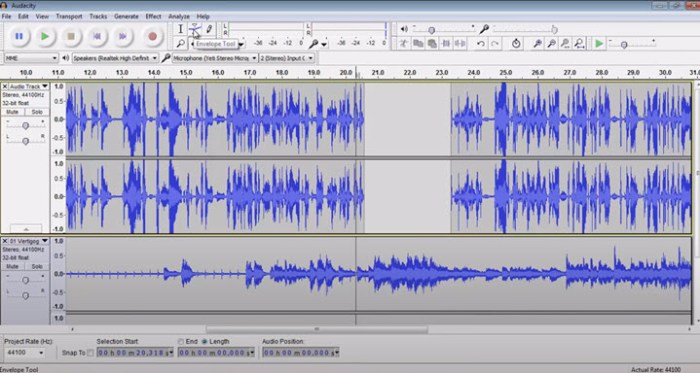
The cost of noise removal software can vary widely based on features and capabilities. A simple comparison of various solutions reveals the following price ranges:
| Software | Price Range | Licensing Options |
|---|---|---|
| iZotope RX 9 | $299 – $999 | One-time purchase, subscription available |
| Waves NS1 | $99 | One-time purchase |
| Acon Digital DeNoise | $99 | One-time purchase |
When assessing value for money, users should weigh the features and performance of each software against their budget and specific audio needs.
Future Trends in Noise Removal Technology
Emerging technologies are poised to transform the landscape of noise removal software. Innovations in artificial intelligence and machine learning are beginning to shape how audio processing tasks are executed. These advancements promise to enhance the software’s ability to identify and eliminate noise with higher precision.
As user demands evolve, the market for noise removal software is likely to shift towards more intuitive, user-friendly solutions that integrate seamlessly with existing audio workflows. The incorporation of AI-driven features may streamline the noise removal process, allowing even novice users to achieve professional results effortlessly.